

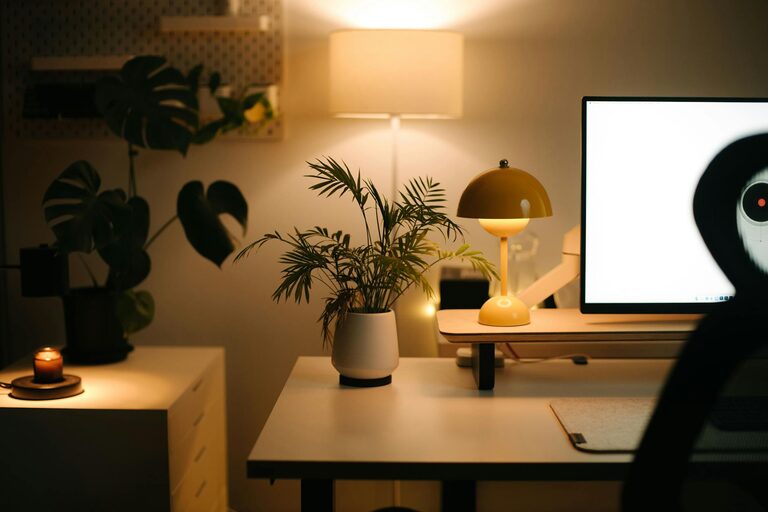
Creating a home office that feels both cozy and productive can transform the way you work from home. Whether you spend a few hours or a full day at your desk, a thoughtfully designed workspace can improve focus, creativity, and overall well-being. Here are practical tips to help you design a home office that feels inviting and helps you stay on track.
Choose the Right Location
Finding the ideal spot for your home office is the first step. Consider these factors:
– Natural Light: Position your desk near a window to benefit from natural daylight, which can reduce eye strain and boost mood.
– Minimal Distractions: Pick a quiet area away from heavy traffic, loud appliances, or TV noise.
– Space for Movement: Ensure there is enough room to stand, stretch, or add extra seating if needed.
If dedicated office space is limited, a corner in a living room or bedroom can work well with the right setup.
Invest in Comfortable and Functional Furniture
A cozy atmosphere starts with comfort, but productivity also depends on ergonomics.
– Ergonomic Chair: Choose a chair with good lumbar support and adjustable height to maintain proper posture.
– Suitable Desk: Find a desk with enough surface area for your computer, notes, and accessories.
– Add a Footrest: This small addition can help reduce leg fatigue during long work sessions.
Adjust your furniture to fit your body to avoid aches and promote longer focus periods.
Personalize Your Workspace
Adding personal touches makes your office feel inviting and encourages you to spend time there.
– Decorate with Plants: Greenery improves air quality and has a calming effect.
– Use Art or Photos: Surround yourself with visuals that inspire or relax you.
– Soft Textiles: Adding a cozy rug, cushions, or a throw can make the space more comfortable.
Balance personal items with clear areas to avoid clutter and maintain productivity.
Organize for Efficiency
A cluttered desk hampers focus, so keeping your workspace organized is key.
– Use Storage Solutions: Shelves, drawers, and desk organizers help keep supplies tidy.
– Limit Desk Items: Keep only daily essentials on your desk to reduce distractions.
– Cable Management: Use clips or sleeves to keep cords neat and prevent tangling.
Regularly decluttering and putting things away promotes a clear mind and smooth workflow.
Control Lighting and Sound
Lighting and noise significantly affect work quality.
– Adjustable Lighting: Besides natural light, add a desk lamp with adjustable brightness to avoid eye strain in low light.
– Reduce Glare: Position your screen to minimize reflections from windows or lights.
– Manage Noise: Use noise-cancelling headphones or white noise machines if background sounds are distracting.
Good lighting and quiet environments help maintain focus and reduce fatigue.
Incorporate Technology Thoughtfully
The right tools can streamline your work days.
– Reliable Internet: Ensure fast and stable connectivity to avoid disruptions.
– Tech Accessories: Use wireless keyboards, mice, or stands for better comfort.
– Monitor Setup: Consider using an external monitor for larger screen space and improved posture.
Keep cables and devices organized to prevent a messy look and maintain efficiency.
Establish a Routine and Boundaries
Even the best workspace won’t help if work and relaxation blur together.
– Set Work Hours: Define clear start and end times for your workday.
– Take Breaks: Regular breaks increase creativity and prevent burnout.
– Separate Work and Leisure: If possible, close the door or pack work materials away after hours.
Creating routines helps your mind switch between work and personal time effectively.
Add Comfort with Temperature and Scents
Feeling physically comfortable aids concentration.
– Control Temperature: Use fans, heaters, or open windows to maintain a pleasant temperature.
– Use Essential Oils or Candles: Mild scents like lavender or citrus can refresh your space and mood.
Avoid strong fragrances that may become overwhelming during prolonged work sessions.
Encourage Movement and Wellness
A cozy, productive office also encourages healthy habits.
– Incorporate Standing Options: Adjustable desks allow you to alternate between sitting and standing.
– Stretch Regularly: Set reminders to stand, stretch, or do quick exercises.
– Stay Hydrated and Nourished: Keep a water bottle and healthy snacks within reach.
Physical comfort and wellness support mental sharpness and overall productivity.
—
Creating a home office that is both cozy and productive doesn’t require a major renovation. By carefully selecting the location, investing in comfort, maintaining organization, and setting healthy habits, you can build a functional and pleasant workspace that enhances your work-from-home experience. Remember, a well-designed home office is a place where you not only get things done but also enjoy spending time.